10 Best Learna AI Alternatives to Expand English Skills
Learna AI provides adaptive lessons and spaced repetition for grammar and vocabulary retention, but learners seeking diverse ways to improve fluency, comprehension, and communication confidence have many options.
From immersive real-life simulations to short daily exercises and social practice, these tools meet varied learning goals.
Midoo AI – Personalized, Real-World English Coaching
Midoo AI delivers a tailored learning roadmap by analyzing your goals, prior habits, and recurring mistakes. Warm-up exercises target recent errors, making each session immediately relevant.
During lessons, Midoo adapts conversation style, tone, and complexity in real time. It role-plays scenarios from casual chats to high-stakes business interactions, creating realistic practice that mimics everyday unpredictability.
After practice, the platform tracks trends, flags repeated mistakes, and schedules focused review sessions. This momentum-based approach ensures skills consolidate over time and progress is measurable.
Pros:
- Personalized learning roadmap
- Adaptive real-time conversations
- Realistic scenario role-play
- Progress tracking and review scheduling
Cons:
- English-only content
- Requires consistent engagement
Unlock your English potential with Midoo AI—start personalized lessons now!
Loora – Context-Rich Dialogue Practice
Loora emphasizes realistic, context-based dialogues for everyday and professional situations. AI adjusts vocabulary and sentence patterns based on learner responses.
Flexible lesson pacing allows learners to fit practice into daily routines while reinforcing natural conversation skills.
Advanced-level content is limited, and grammar instruction is minimal, focusing on practical spoken communication.
Pros:
- Context-aware conversations
- Flexible pacing
- Vocabulary reinforcement
- Supports natural dialogue
Cons:
- Limited advanced content
- Minimal grammar guidance
Praktika – Scenario-Focused Learning
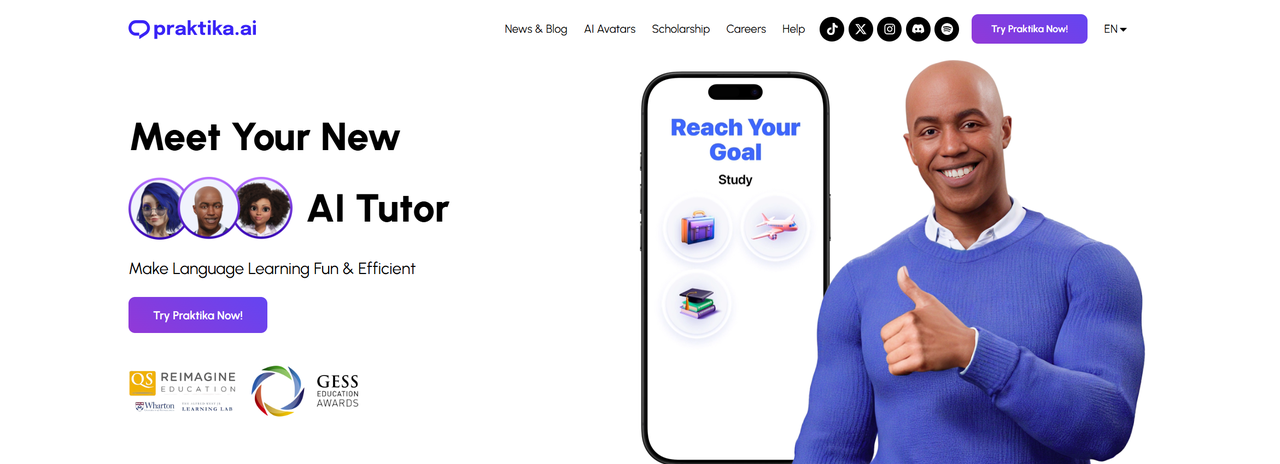
Praktikaimmerses learners in real-life simulations such as office meetings, travel, and negotiation exercises. Gamified interactions enhance engagement and skill retention.
It emphasizes practical application of vocabulary and phrases, helping learners navigate professional and everyday interactions.
However, formal grammar lessons are limited, and advanced topics are less comprehensive.
Pros:
- Immersive, realistic scenarios
- Gamified engagement
- Practical communication skills
- Builds situational confidence
Cons:
- Limited grammar content
- Narrow advanced exercises
Speak – Pronunciation & Accent Mastery
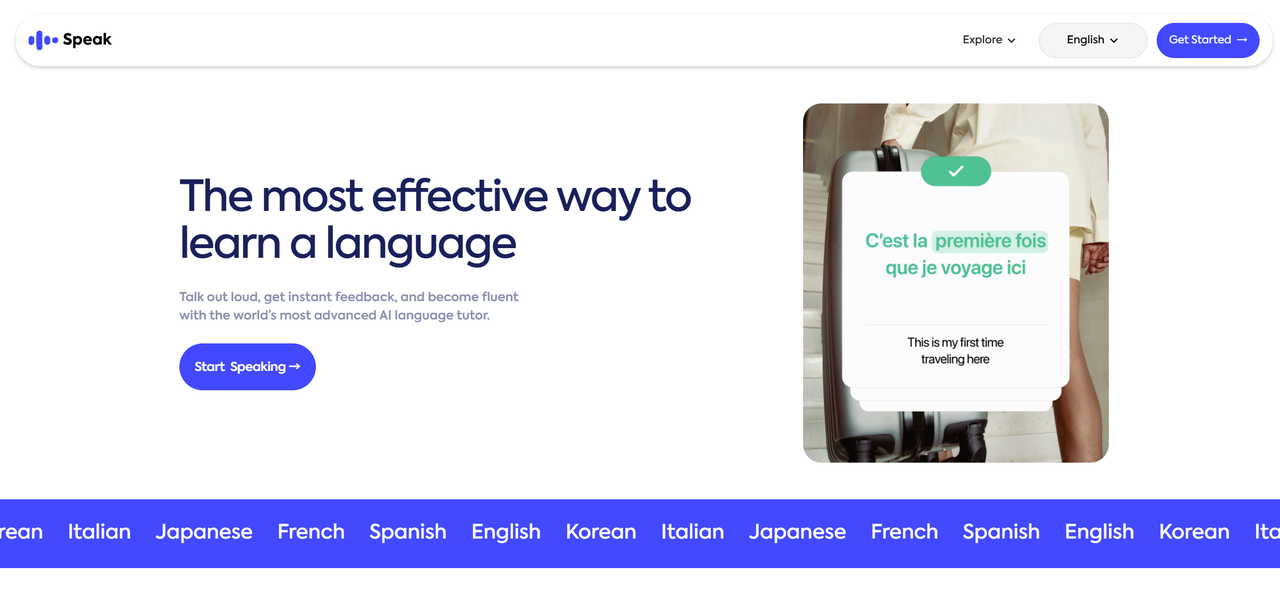
Speak focuses on intonation, clarity, and pronunciation, offering instant feedback on stress, rhythm, and tone.
Short, repeatable drills help learners improve spoken accuracy efficiently. Ideal for those prioritizing oral clarity over complex dialogues.
Scope is limited to speaking practice, and repeated drills may feel monotonous for some users.
Pros:
- Pronunciation feedback
- Accent refinement
- Trackable improvement
Cons:
- Limited scope beyond speaking
- Repetitive exercises
TalkPal – Dynamic Role-Play
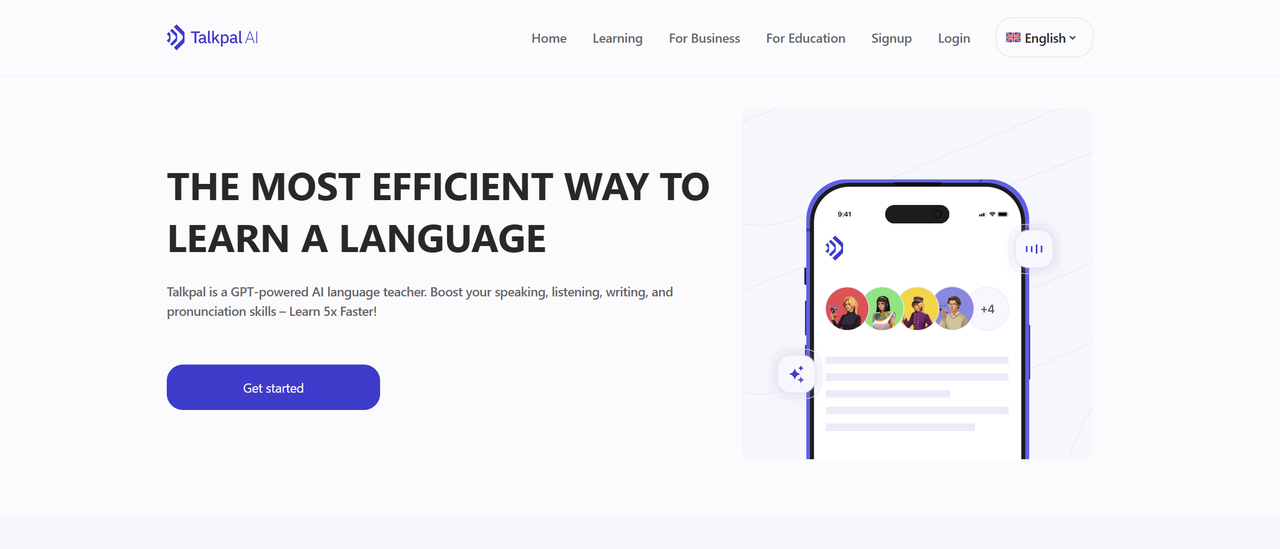
TalkPal emphasizes interactive, scenario-based conversations across social, casual, and professional contexts. AI provides immediate feedback on fluency and vocabulary.
Adaptive prompts build confidence in real-life interactions, allowing learners to repeatedly practice complex dialogues.
Structured curriculum is limited, and advanced grammar options are fewer.
Pros:
- Wide scenario variety
- Instant adaptive feedback
- Confidence building
- Supports repeated practice
Cons:
- Limited structured lessons
- Fewer advanced exercises
Gliglish – Quick, Daily Engagement
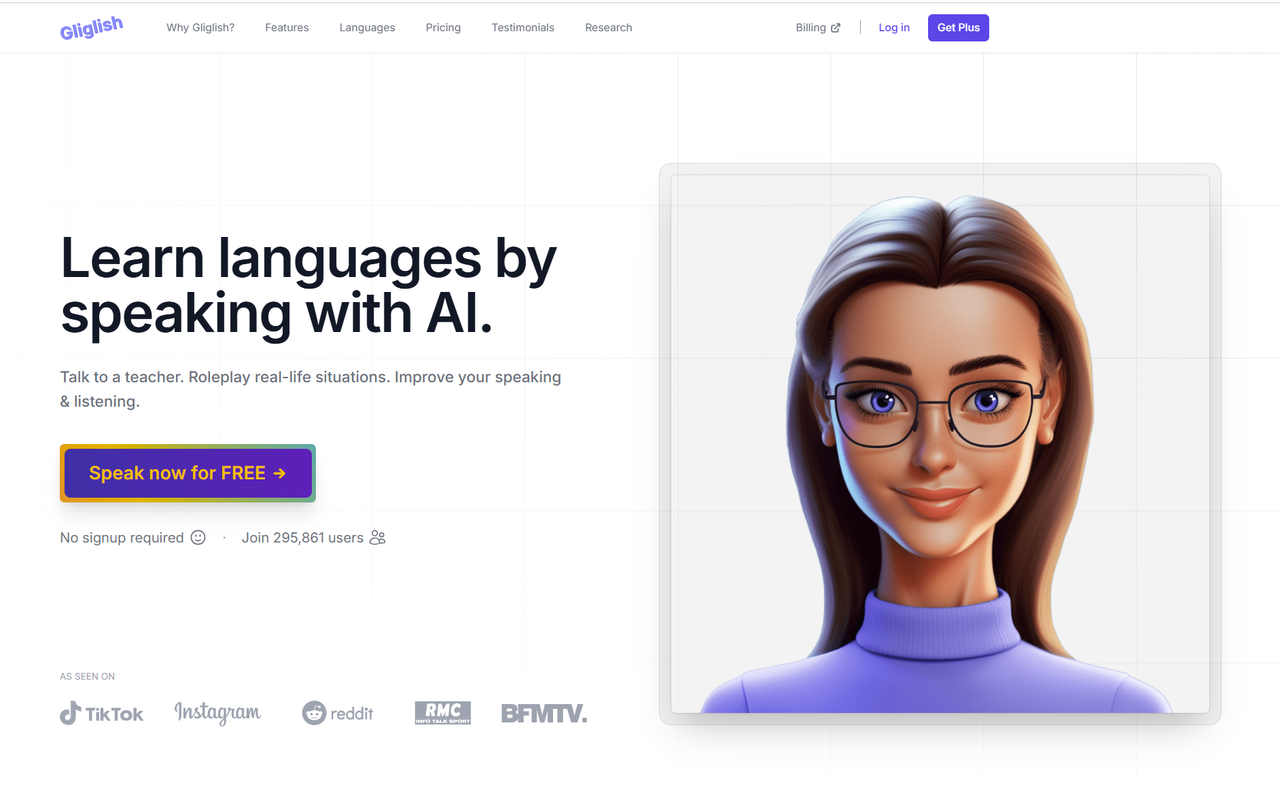
Gliglish provides short, practical sessions for vocabulary reinforcement and quick conversational practice.
Its streak system motivates learners to maintain consistent engagement over time, ideal for busy schedules.
Advanced content is limited, and feedback is basic, focusing mainly on practical usage.
Pros:
- Short, easy-to-access sessions
- Encourages daily habits
- Practical conversation focus
- Simple interface
Cons:
- Limited advanced content
- Basic feedback
Twee – Gamified Social Learning
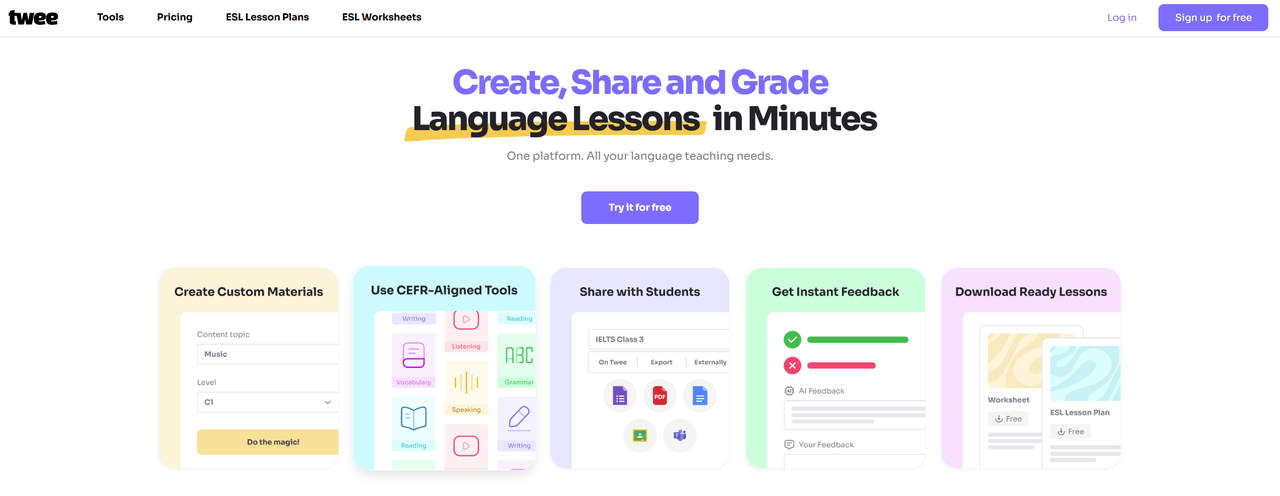
Twee combines AI-guided exercises with community interaction, using challenges and prompts to sustain motivation.
Learners can practice individually or socially, enhancing routine and accountability. Short prompts gradually evolve into longer dialogues.
Depth of content for advanced users is limited, and social peer quality may vary.
Pros:
- Gamified learning
- Peer collaboration
- Interactive exercises
- Encourages routine practice
Cons:
- Less advanced content
- Peer quality varies
Langotalk – Spontaneous Conversation
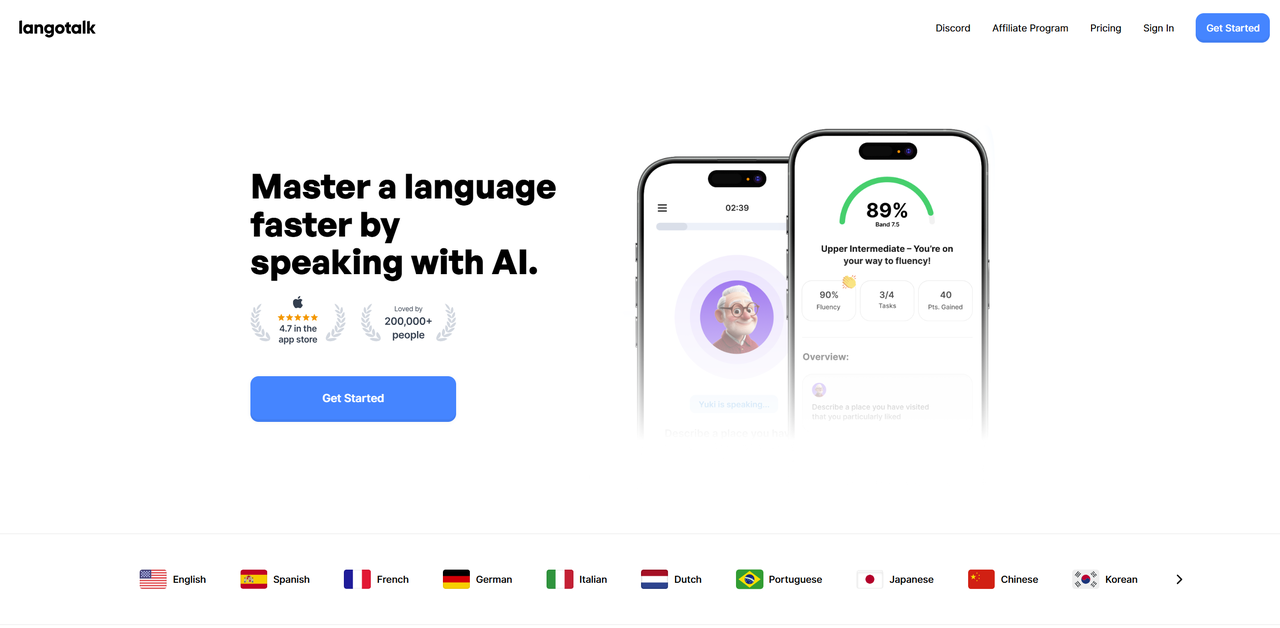
Langotalk allows learners to engage in free-flowing dialogues, promoting natural speech and improvisation. AI gently corrects errors while encouraging spontaneous expression.
Diverse topics make practice realistic, building confidence in unscripted communication.
Structured progression is minimal, requiring extra tools for grammar and academic depth.
Pros:
- Encourages natural speech
- Wide topic variety
- Builds conversational confidence
- Supports spontaneous dialogue
Cons:
- Minimal grammar guidance
- Less structured learning
Fluently – Comprehensive Skill Development
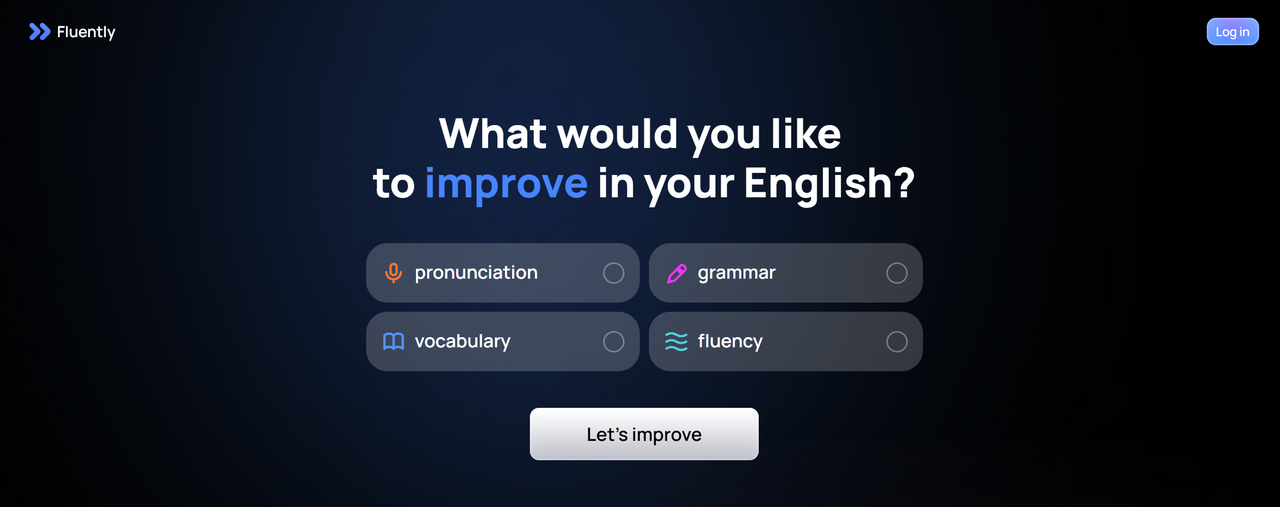
Fluently offers adaptive exercises targeting pronunciation, comprehension, and conversational fluency. Difficulty adjusts based on user performance.
Lessons promote measurable improvements while building confidence in multiple skill areas.
Scenario-based role-play is limited, and advanced learners may find content less challenging.
Pros:
- Adaptive exercises
- Progress tracking
- Improves pronunciation & comprehension
- Builds communication confidence
Cons:
- Limited scenario practice
- Less advanced content
Heylama – Micro-Lesson Efficiency
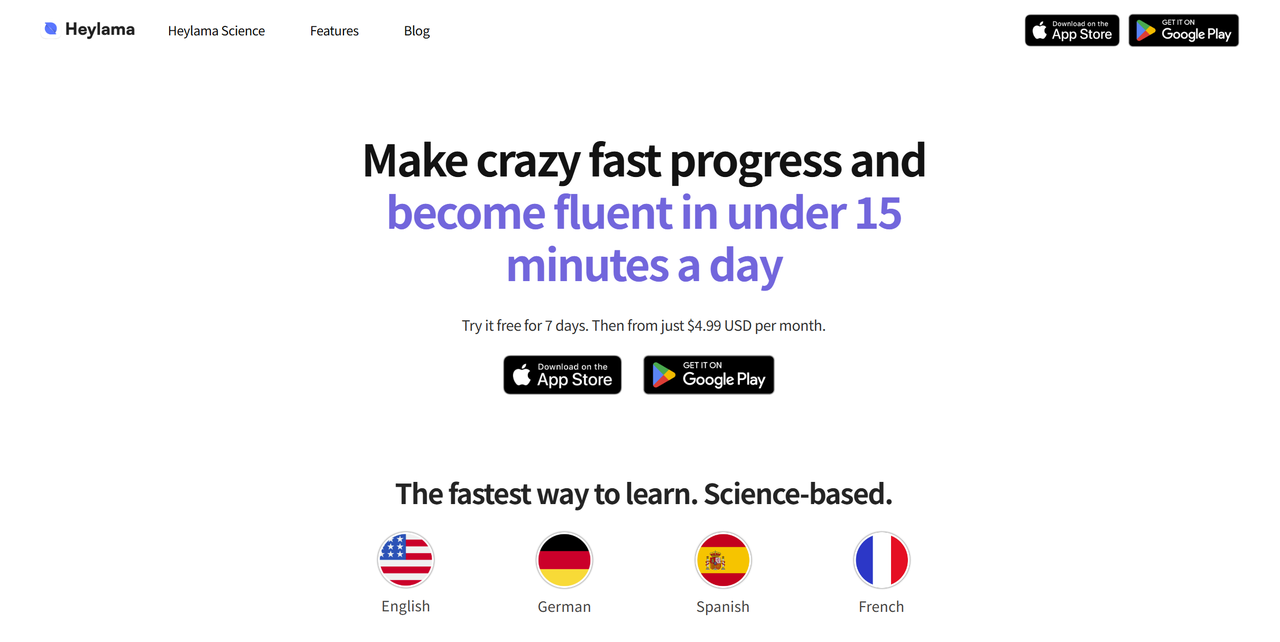
Heylama delivers short, focused lessons including vocabulary, mini-dialogues, and recall exercises.
Ideal for learners needing quick, daily practice, it reinforces retention and habit formation.
Advanced learners may find content repetitive and less immersive for real-life scenarios.
Pros:
- Short, flexible lessons
- Active recall reinforcement
- Encourages consistent practice
- Fits busy routines
Cons:
- Limited advanced content
- Less immersive scenarios
Conclusion
While Learna AI provides adaptive reinforcement and structured learning, these ten alternatives offer diverse methods to strengthen English skills.
Midoo AI stands out with its personalized roadmap, real-time adaptive dialogues, and realistic role-play, ensuring long-term skill consolidation. Praktika and TalkPal provide immersive scenario-based practice, while Speak and Fluently focus on pronunciation and comprehension mastery. Loora, Langotalk, and Gliglish emphasize contextual and flexible conversational exercises, and Heylama and Twee foster daily practice and social interaction.
Depending on your goals—structured progress, real-life scenario readiness, or habit-driven engagement—these tools collectively cover all key aspects of language learning. Leveraging multiple platforms allows learners to accelerate fluency, enhance confidence, and achieve balanced improvement across speaking, comprehension, and vocabulary, making English communication more natural and effective in both personal and professional contexts.